Can the Bank Really Take Your House?
The fear of losing your home is the single biggest reason people walk away from reverse mortgages. We took it apart piece by piece to see exactly what has to go wrong before a foreclosure can happen.
By Morgan Hayes · July 2026
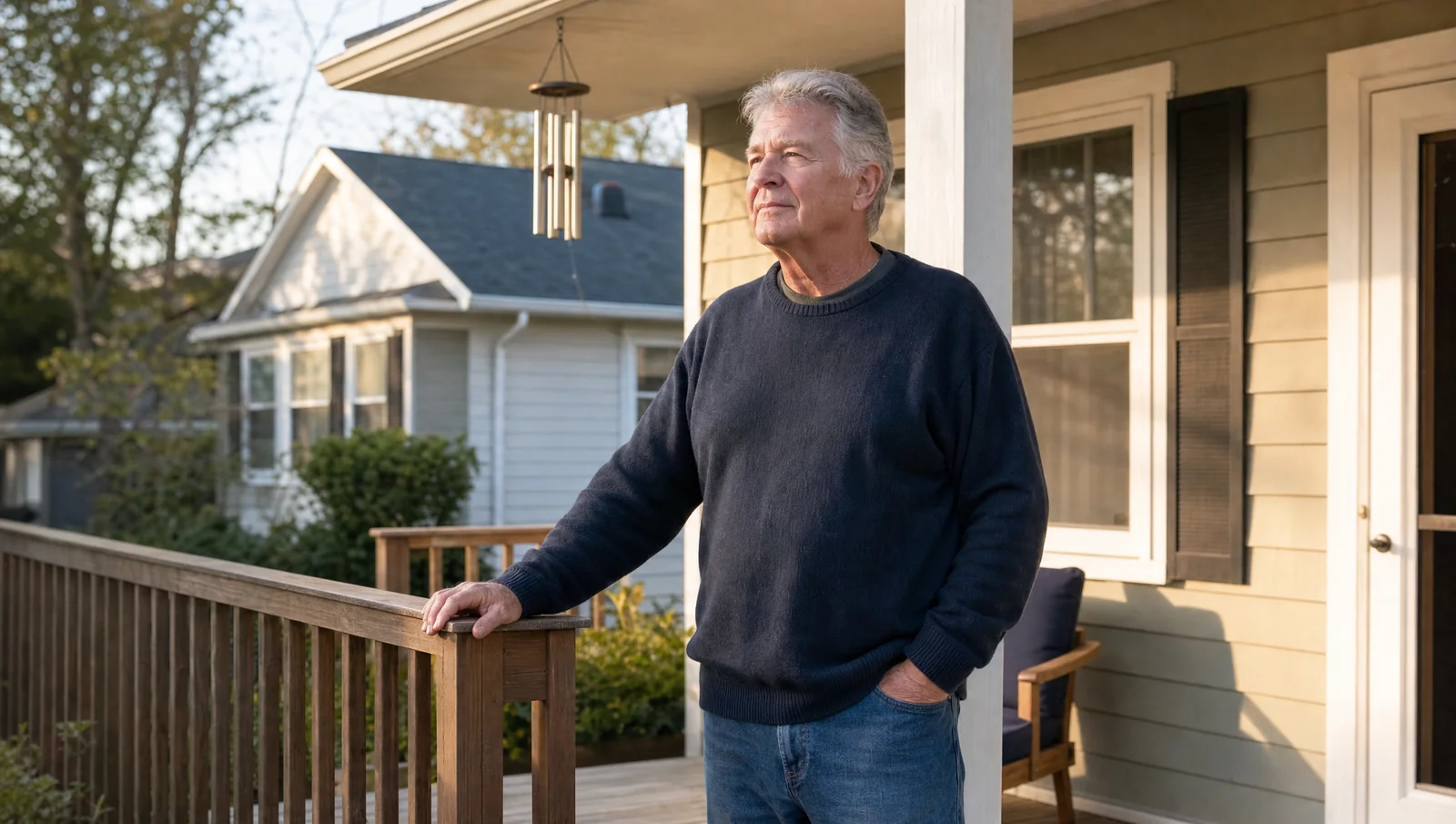
If you have ever typed "can you lose your house with a reverse mortgage" into a search bar at eleven at night, you are not being paranoid. You are being careful with the most valuable thing you own. That instinct deserves a straight answer, not a sales pitch.
Here is the honest version up front: yes, some people have lost homes that carried reverse mortgages. That part of the fear is real, and pretending otherwise would be dishonest. But in the cases we reviewed, the loan itself was almost never the cause. Foreclosure on a reverse mortgage requires one of a short, specific list of things to happen first, and every item on that list is something a homeowner can see coming and prevent.
This article is a forensic look at that list: what the law actually says about who owns your home, the only four ways a reverse mortgage ends in foreclosure, what really happened in the famous horror stories, and the layers of protection that were added after those stories made headlines. If you want the broader picture, our guide to how reverse mortgages actually work covers the full mechanics. This piece stays focused on the one question that matters most.
Part One
Who Actually Owns Your Home (Hint: Still You)
The most persistent version of this fear is the idea that signing a reverse mortgage means signing your house over to the bank. It does not, and this is not a matter of interpretation. It is how the loan is legally structured.
With a Home Equity Conversion Mortgage, the federally insured reverse mortgage that makes up the vast majority of the market, your name stays on the title from the day you close until the day the loan ends. The lender holds a lien against the property, which is exactly the same legal position a lender holds on an ordinary 30-year mortgage. If you have ever had a regular mortgage, you have already lived under this arrangement for decades without thinking of the bank as your landlord.
The loan is also non-recourse, which is a technical term with a very practical meaning: neither you nor your heirs can ever owe more than the home is worth when it sells. If the loan balance grows larger than the home's value, FHA insurance covers the gap. The debt cannot reach into your savings, your other assets, or your children's finances.
Worth knowing
A reverse mortgage borrower holds title to the home the entire time. The lender's position is a lien, the same instrument used in a standard mortgage. "The bank owns your home" is not a simplification of the truth. It is simply false.
Part Two
The Only Four Ways a Reverse Mortgage Ends in Foreclosure
A reverse mortgage has no monthly principal and interest payment, so you cannot fall behind on the loan the way people do with a traditional mortgage. That removes the single most common path to foreclosure in America. What remains is a short list of obligations, and this list is complete. There is no fifth item, no fine print catch-all.
1. Unpaid property taxes
The home secures the loan, and a tax lien threatens that security. Stop paying property taxes long enough and the loan can be called due.
2. Lapsed homeowners insurance
Same logic. An uninsured home is an unprotected asset, and the loan terms require coverage to stay active.
3. Moving out for 12+ months
The home must remain your primary residence. If the last borrower moves out permanently, including an extended stay in long-term care of a year or more, the loan becomes due.
4. Serious disrepair
Letting the home deteriorate to the point of losing significant value can trigger a default. Routine wear does not count. This is about roofs caving in, not paint fading.
Notice what these four have in common: every one of them is an ordinary homeowner responsibility that exists whether or not you have a reverse mortgage. Fail to pay property taxes on a home you own free and clear, and the county can eventually take it too. The reverse mortgage did not create these obligations. It simply attached loan consequences to obligations you already had.
"It is not the loan mechanism that ends these loans badly. It is taxes, insurance, residency, and upkeep. The same four things every homeowner already manages."
Part Three
What Actually Happened in the Horror Stories
The dramatic stories are real, and they deserve a real accounting rather than a wave of the hand. In our research, the cases that made headlines fall almost entirely into two categories, and both point to specific, dateable problems that the program has since addressed.
The first category is tax and insurance defaults. Before 2015, lenders were not required to check whether a borrower could realistically keep up with property taxes and insurance for the life of the loan. Some borrowers, often those already in financial distress, took the money, spent it, and then could not cover the tax bill. The foreclosure that followed was technically a tax default, but from the outside it looked like the reverse mortgage took their home.
The second category is the non-borrowing spouse cases, and these were genuinely painful. Before August 2014, if one spouse was under 62 or was left off the loan to increase the payout, that spouse had no protection when the borrowing spouse died. The loan came due, and surviving spouses, some of whom had lived in the home for decades, faced eviction. These cases were a program design failure, and they generated most of the era's worst coverage.
What we found
In the cases we reviewed, we did not find foreclosures caused by the reverse mortgage structure itself: no hidden balloon clauses, no bank seizing a home from a borrower who was meeting the four obligations. The failures traced back to tax and insurance defaults or to the pre-2014 spousal gap. Both problems prompted specific federal rule changes, which is worth knowing when you read a story from that era.
Here is what changed. For loans originated after August 4, 2014, an eligible non-borrowing spouse can remain in the home after the borrowing spouse dies, with the loan repayment deferred. In 2015, the FHA introduced a mandatory financial assessment: lenders must now verify that a borrower can plausibly cover taxes and insurance before the loan is approved. And when that assessment raises doubts, the lender can require a set-aside, a reserved portion of the loan proceeds earmarked specifically for taxes and insurance so those bills get paid automatically. The horror stories were not myths. They were symptoms of a weaker program that no longer exists in the same form.
Part Four
The Protection Stack That Exists Now
A borrower taking out a HECM today is operating inside several overlapping layers of protection, most of which did not exist when the worst stories happened.
It starts before you can even apply: HUD counseling is mandatory. You must sit down with an independent, HUD-approved counselor whose job is to make sure you understand the obligations, including the four triggers above, before any paperwork moves forward. No lender can waive this.
Then comes the financial assessment, the 2015 addition described earlier. If your income and credit history suggest taxes and insurance could become a struggle, the lender is required to establish a Life Expectancy Set-Aside, or LESA, which reserves loan funds to pay those bills directly. It reduces what you can draw, but it also removes the single most common failure mode from the equation entirely.
On the back end, the non-recourse guarantee and FHA insurance protect you and your heirs from ever owing more than the home is worth. And heirs have real options: according to the CFPB, they can sell the home and keep any remaining equity, or keep the home by paying off the loan balance or 95 percent of the appraised value, whichever is less. They generally receive around 30 days' notice and can request extensions of up to roughly six months to arrange financing or a sale. The image of a bank swooping in on grieving children the week after a funeral does not match how the process is actually required to work.
Real example
A homeowner we spoke with, a widow in her seventies, had been putting off a reverse mortgage for years because her late husband had called them "a trick to steal the house." During her mandatory counseling session, the counselor walked her through the four obligations and flagged that her fixed income made the property tax bill a tight fit. Her loan was structured with a set-aside that pays the taxes and insurance automatically. Her words afterward stuck with us: the thing she feared most was the thing the paperwork spent the most time preventing. Her outcome is hers alone, and every situation differs, but the process she went through is now the standard one.
Part Five
How to Make Sure It Never Happens to You
If you take one thing from this article, take this: reverse mortgage foreclosure is not a lightning strike. Every trigger on the list announces itself months or years in advance, and every one of them has a straightforward prevention.
Keep property taxes and homeowners insurance current, and treat them as untouchable line items in your budget. If there is any doubt about that, ask about a set-aside during the application process, or request one even if the financial assessment does not require it. Trading a smaller payout for the certainty that the two most dangerous bills are always paid is, in our view, one of the best deals in the entire program. Tax situations vary, so talk to a tax advisor about how property taxes and any related decisions fit your circumstances.
Keep the home as your primary residence, and know the 12-month rule before a health event forces decisions under pressure. If a long stay in care looks possible, that is a conversation to have with family and your loan servicer early, while options are still open. And respond to your servicer's mail. The annual occupancy certification is a simple form, and the sad cases in our research often included a stretch of unopened envelopes.
Whether a reverse mortgage is the right tool for your situation is a separate question from whether it is safe, and it deserves its own honest look. We have written that analysis in should you get a reverse mortgage in 2026.
Common Questions
What People Ask About Losing the Home
Can the bank take my house with a reverse mortgage?
Not because of the loan itself. You keep the title, and the lender holds a lien, just like a regular mortgage. Foreclosure can only happen if you stop paying property taxes or homeowners insurance, stop living in the home as your primary residence for 12 or more months, or let the home fall into serious disrepair. Meet those four obligations and the loan cannot be called due while you live there.
What happens if I don't pay property taxes on a reverse mortgage?
Unpaid property taxes are the most common trigger for reverse mortgage default. The servicer will typically contact you, may advance the taxes on your behalf, and will work through required steps, but continued nonpayment can eventually lead to foreclosure. If taxes are a concern, a Life Expectancy Set-Aside reserves loan funds to pay them automatically. A tax advisor can help you plan for your specific situation.
Does the bank own your home with a reverse mortgage?
No. The borrower holds title to the home for the entire life of the loan. The lender's interest is a lien against the property, which is the same legal arrangement used in a traditional mortgage. Ownership does not transfer at closing, at any point during the loan, or automatically at the end of it.
What happens to a reverse mortgage when the borrower dies?
The loan becomes due when the last borrower dies. Heirs can sell the home and keep any equity above the loan balance, or keep the home by paying the balance or 95 percent of the appraised value, whichever is less. The loan is non-recourse, so heirs never owe more than the home is worth. They generally get about 30 days' notice and can request extensions of up to roughly six months. For loans made after August 4, 2014, an eligible non-borrowing spouse can stay in the home with repayment deferred.
Why did people lose their homes with reverse mortgages in the past?
The cases we reviewed came down to two causes: tax or insurance defaults by borrowers who could not keep up with those bills, and surviving spouses left off pre-2014 loans who had no protection when the borrower died. Both problems led to federal rule changes: non-borrowing spouse protections for post-August 2014 loans, a mandatory financial assessment introduced in 2015, and set-asides that pay taxes and insurance from loan funds.
The Bottom Line
The Fear Is Understandable. The Facts Are Checkable.
The fear of losing your home to a reverse mortgage did not come from nowhere. It came from a real era with real victims, mostly before 2015, when the program allowed loans that should never have been made and left surviving spouses exposed. Taking that history seriously is the only honest starting point. But the specific failures behind those stories have been individually addressed: spousal protections, the financial assessment, set-asides for taxes and insurance, mandatory counseling, and a non-recourse guarantee backed by FHA insurance.
What remains true is this: a reverse mortgage ends in foreclosure only when property taxes go unpaid, insurance lapses, the home stops being your primary residence, or the home falls into serious disrepair. Those are the same responsibilities every homeowner carries already, and every one of them is visible and preventable. If you are a homeowner 62 or older weighing this decision, the right next step is not to take our word for it or anyone else's. It is to get the specifics for your own home and see if you qualify, then bring the numbers to the mandatory counseling session and ask the hardest questions you have.
See If You Qualify arrow_forwardA few questions, about two minutes. No credit check, no obligation.